Starborn : Version #301
The Realms of Sky exist, but they are not like the game we know. The game is merely a muddy reflection of a fragment of the journey of a single starborn, filtered through the dreams and imagination of the game devs. They got some things right… but many things, they got entirely wrong. Chief among them being the nature of the starborn.
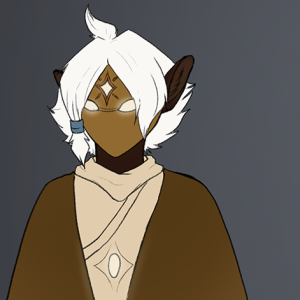
Starborn are ageless, sexless celestial beings that can be compared to a fallen star. They are also known as starchildren, lightborn, skykids, and children of light.
They are my take on the skykid, or player character, in the game Sky: Children of the Light.
Basic Information Hide
Starborn are celestial beings that can be compared to a fallen star. They are ageless celestial beings whose bodies are vessels for an inner light, with a core in their chest. Although small and youthful in appearance, they are not human children, and their anatomy retains adult proportions. Their existence follows a cycle of formation, gathering light, exploration, and the eventual journey to Eden. Survival through that cycle is not guaranteed. While a starborn can get into Orbit, and to a unique portal through which they can be reborn, they were broken in a fundamental level when they fell. They are no longer able to ascend fully and are trapped in an eternal cycle of death and rebirth until they truly die.
Lore and History Show
The seyren, a flesh and blood creature with a core of light within, went extinct around 500 years ago. They once thrived, building a kingdom in the clouds. But they took too much and began to throw off the balance.
Darkness started to take hold, corrupting the land and spreading, polluting the water. Animals were driven from their habitat, and the balance of nature interrupted.
The seyren, as a result, began to struggle. Their crops failed, they had trouble getting enough to eat. Less and less of their world was livable.
The imbalance was spreading when something strange happened. A small being fell from the heavens. A star, that looked like a small seyren. The seyren who found the fallen star took them in. They were named Aleph, the Starborn Prince. Aleph was raised to be the new king. Prophesied to be the one to save the seyren. He grew large and powerful, and renamed himself Resh.
King Resh took being the savior of the seyren species to heart. He did everything he could to stop the darkness. He grew large and powerful.
He took everything he could to try to create safety, but things only grew worse. Seyren nations started to fight over what little remained, until there was only a single city left. Surrounded by darkness at the foot of Eden itself. A single city where seyren, stressed and afraid, sickened and died. There wasn't enough food. Wasn't enough light. Wasn't enough space.
He directed all the light he could unto a great crystal at the summit of Eden, but his strength ran out. Darkness overtook him and he turned on his own people, driven mad by it. The weakened Elders, who were like the gods of the seyren, were forced to turn on the very king they had raised up, and seal him away. It was too late. Everything shattered and the now massive form of the former starborn was locked in a void, sealed away, with the elders falling into the slumber.
The last of the seyren died in darkness over the next weeks until not a single one was left. The entire world was overtaken.
The Source, known as the Megabird, connected to Eden and the core of the cycle, which has been thrown out of balance, was dreadfully weakened. An ancient cosmic entity thrashing in pain. Though the entity was not conscious in a way understandable to mortals. It was like a nebula. A being that birthed stars. Normally, these beings would rise up into the heavens after spreading their light through the realms and take their place in the sky. But something was wrong.
They were dragged down by the darkness, fundamentally broken. Unable to ascend to the heavens.
For nearly 150 years, every single one of them died. They would succumb to the darkness before they could even gain their second mark. Predators took them, darkness drained them, they starved with no access to light, or failed to form in the first place.
But then… one day, that changed. One formed unable to form winged light. Dim, unable to fly. Seemingly weak, but what should have been a drawback ended up being a blessing in disguise. Dark creatures ignored them, and they were highly resistant to the effects of the darkness surrounding them. They were unusually resilient, surviving every single thing that killed other starborn. They found somewhere safe, and slowly started to create a place where they could live. They began pushing back the darkness little by little.
They came across other freshly fallen sparks, took them to the safe home they had cleansed. Taught them how to survive. Those others were able to gain their wings, form winged lights, grow stronger, and push the darkness back further.
Slowly, safe patches formed. Then spread. Starborn survived long enough to gain more marks and experience. They took in new sparks, taught them how to survive. Sacrificed gathered light to re-ignite ancient starfire shrines with their own winged light. The more areas that were cleansed and made safe, the more space there was for a starborn to take refuge during their vulnerable early life. More survived. Some even made it to the threshold in Eden to return some of the lost light to the Source, and then guided others to do the same.
Now, starborn have a higher chance to survive and their population is slowly growing. They are able to become embers, then renascents. Some have lived so long and gained so many marks that they have become ascendants. They are still rare and their mortality rate is startlingly high, but there is now a stable population of the little celestial beings.
It all started with one unique individual who survived and cleared the way for other survivors to follow. Now, there are numerous safe routes for starborn to go, more light for them to gather, and more safe shrines for them to rest and recover. The Realms are still incredibly dangerous and a vast majority of them do not make it, but some is quite a bit better than none, and the darkness is slowly but surely being pushed back.
Starborn are in a cycle of rebirth, but they are only able to return if they pass the threshold within Eden before they die. If they get past a certain point, their light ascends into Orbit. They are then able to be given strength by the seyren spirits they have freed, then return to the Realms. Because they are fundamentally broken, they are unable to truly ascend and are stuck in this cycle either for eternity, or until they fail to make it far enough to be reborn.
Those who die return their light to the Realms. This condenses elsewhere, where surviving starborn gather it. It is what forms their winged light. Starborn are not aware of this.
Occasionally, fractures can open between the Realms and Earth. These can open to just about anywhere in Earth's timestream, and can last from a few seconds, to years. During the time they are open, the fracture lines up the time so one hour in one reality is one hour in the other. There have been a few different fractures throughout time. Notably, there is one that allows starborn to occasionally wander an office building on eart, and one that connected to Arles, France during the time of Vincent Van Gogh's life. There may be others; reports of strange fae-like beings or beings that were mistaken for children due to their small size have persisted through history, along with reports of strange song heard with no real source.
Social Habits and Temperament Show
Starborn are naturally social, curious, playful, and often mischievous. They gravitate toward one another, enjoy physical closeness, carry one another, and enjoy being carried. They have no concept of personal space and no taboo around touch. They have no cultural expectation that play and joy must be abandoned with age, and no stigma attached to remaining playful. Older starborn tend to become calmer and more collected over time, but they do not lose their curiosity or enjoyment of games.
Starborn are sometimes mistaken as immature and childlike, or even animal like due to the fact that they do not form proper socities, wander a lot, play, and generally don't seem to worry about much. They are also skittish and cautious around new things. They wander from place to place, settle in places they find comfortable, gather together, and then continue wandering. They have no real heirarchy; though higher-marked individuals tend to be looked up to by younger lower-marked individuals with ascendants having the most respect. Especially fifteen-marked ascendants. They are actually highly intelligent, even if their minds work very differently from humans. The mistake made is comparing them directly to humans. They aren't human, and their minds are not human. But that does not make them any lesser.
A newly formed starborn will instinctively seek out a starborn with more marks. A starborn with more marks is older and more experienced and can serve as a guide. A spark or ember is much more likely to survive if they find an experienced renascent or ascendant to guide them.
Starfire shrines are important gathering places, rest stops, sources of light, and destinations for starborn returning from rebirth. Major shrines have access to the stars, while smaller shrines provide safe places along journeys. A dead shrine can be reignited with a winged light, though this requires a starborn to give up one of theirs. Often, older starborn with plenty of winged light will do this. Some resemble large bonfires. The portal network is something that still survives from the seyren civilization that once thrived in the Realms. Aviary Village has one of the greater shrines, and is a safe area starborn often stop to rest. Many spirits who are tethered to the Realms remain at the village where they interact with the starborn who visit. It contains a portal nexus. The most powerful starfire shrine known is simply referred to as “Home”, the energy condensed into a special panel on which a starborn can meditate and reach the stars and feel the presence of those they have met. Most older starborn return here when they complete the cycle. Home is said to be where the Ancestors first descended.
While starborn don’t really have a concept of property, though they do often claim little nooks and crannies in seyren ruins as a nest, collect items they find interesting, and store it there. They return to that nest to rest and recover. Most bring starfire lanterns there to make it somewhere they can recharge their light and heal if injured. They tend to nest around central shrines, in places where many other starborn gather. Theft is not a thing among starborn. If a starborn has decided an item is theirs, others will respect that. They may take the item and make a game of being chased, but they will always give it back in the end. If one has claimed a spot as their nest, others will respect that. They frequently visit eachother's nests. Belongings in a starborn's nest belong to that starborn, and other starborn simply respect that and will only take something if it is given to them.
They are not equipped with the anatomy necessary for spoken language, although they produce distinctive calls, chirps, squeaks, squawks, and other vocal expressions, all sounding musical and resonant. Their tone, posture, ear position and tail can tell a lot even without the meaning going across. They lack a spoken language made up of words, so they don't actually have names, though their energy can give an impression of a name to a creature with a spoken language. They recognize eachother through their energy signature and can call directly to someone they know. If their energy gives the impression of a name and somebody speaks it, they can recognize it.
Starborn can acquire knowledge of language through memory sharing. They can understand spoken language and learn to read and write very quickly without becoming capable of speech.
Memory sharing is fundamental to their nature. They share memories with one another from the memories of spirits they have found and freed. Those experiences can affect their appearance, and they can learn to reproduce structures observed in a memory. A copied feature does not come with an understanding of its purpose or all its functions. They can manifest a mouth, but they can not taste, for example. Memories contribute both to knowledge, and to physical changes. They can mimic the subtle movement of breathing, but do not actually breathe. They can mimic eating by placing condensed light against their mask where it is absorbed into their vessel, and they do this often in the company of other starborn because eating was witnessed in MANY seyren memories and feels important.
Starborn share memories and experiences with eachother by sharing their light. A starborn brings out their inner light and hold it out. The other starborn follows suit, bringing out theirs as well. They touch their inner light together, and share experiences and memories back and forth. This was very much able to be done with seyren; the single starborn to have been around a living one did it with many of those he held close. Seyren having that similar light core makes it possible. If interacting with a human, a starborn would be unable to share light. They could offer it and give a faint impression of who they are, but would receive nothing from the human. Starborn, however, are generally quite intelligent and would be able to figure out human language through observation fairly quickly. They are fully capable of learning to read and write.
In circumstances where a starborn may come in contact with a human, the starborn is likely to be afraid and keep their distance or flee. Humans look like seyren, but not really. So they produce a strong uncanny valley effect. They also completely lack inner light and are very large, which the starborn sees as some sort of dark predator. And on top of that, a sign of anger or fear among starborn are pinned ears. Their ears can sometimes pin so hard when they are angry or terrified that they are hardly visible against the side of the head or beneath their hair. Without a tail or the proper body language to say which one, the starborn can't tell if the massive predatory giant is terrified or furious, and they assume furious because they're already unsettled, so they flee. So to a starborn, we humans look like huge, angry, uncanny predators. With how dangerous their world is, they can not afford to stick around so they flee.
Starborn are extremely expressive, but not in their faces. Their eyes can be looked at to a point, but they lack a mouth and nose. Their mood is quite clear, however, if you observe their ears, tail, posture and vocalizations. Their calls are musical, and incredibly varied. A starborn can produce anything from tiny little chimes and trills to happy calls, angry squawks, frightened or angry screeches or screams and everything in between. Each starborn has a unique sound. Some can sound much more bell-like with quick vocalizations and others can have a smooth, flowing sound. Their calls are not actually language. The actual meaning of what they are saying is transmitted through light, which is visible around them in little waves of energy as they call. Their ears, body language, and tail are incredibly expressive, and you can tell a lot about how they are feeling just by watching that.
Anatomy and Physiology Show
The seyren were mortal flesh-and-blood beings with cores of light. They had faces beneath their masks, and wearing masks carried substantial cultural importance. They did not fly or gather scattered light as starborn do. Starborn bodies loosely follow the seyren template. Seyren are extinct, but their spirits and memories remain, and encounters with spirits can grant a starborn permanent strength.
They have a warm, clay-like surface and are much sturdier than their delicate appearance suggests. They lack conventional biological organs and do not need food or air. They entirely lack anything resembling a reproductive system. Their bodies are extremely light, approximately comparable in weight to a cat. An 18 inch chibi may weigh as little as three pounds, while an average starborn can weigh around 15 to 20 pounds. A strong wind may require them to brace against it, while a harsh gust can knock one right off their feet. A starborn feels very strange to touch, in an uncanny way. Tapping them feels like tapping stone or ceramic, but has give when pressed like flesh. Their feet click and tap as if they are made of rock. They have tufts on their ankles and heels. They feel almost like fur, but not quite. Starborn are incredibly warm to the touch. Their internal temperature can get up to 113 degrees fehrenheit. Externally, they are somewhere between 108 and 110. It is not hot enough to hurt to the touch, but noticeably hot. Despite seeming to be made out of ceramic, stone, or some manner of clay, they are incredibly light weight for their size.
The coloration of their body is effected by the ground on which they land when they first form. This causes a fair bit of variation. Most starborn are varying shades of brown to reddisn brown, but they can range from nearly black if they land near dark stone to nearly white if they land on quartz or marble. They can gain markings on their vessel that resemble mineral inclusions. They don't directly copy the stone around them, but they are influenced by it. This is effected by when they first land upon formation. The appearance of their base vessel (Beneath the hair, tunic, mask and cape) doesn't change with rebirth cycles. Their color and markings (Which are usually quite subtle) remain. Those that land near banded sandstone may gain subtle banding along their body.
Starborn average around three feet tall, and they usually form around this size though this can vary. Their broader size range is approximately one and a half to four feet tall. Older individuals can learn to control their vessel size, and temporary size-changing items also exist. No sparks are chibi-sized; a chibi is an older starborn using an acquired ability or item. Size therefore does not indicate age, experience, or power.
They are small and slender, and can sometimes be mistaken as a child at a glance. Closer look, though, reveals a small non-human creature. They are more comparable to some classic interpretations of fairies.
The tail is primarily expressive, though it can sometimes aid in balance and steering when in flight. It cannot grip objects. It is uncomfortable or painful if they are lifted by their tail, but it doesn't harm them. Its movements communicate their emotional state, alongside ear position, tone of their call, and posture.
Their mask is basically their face. Starborn have no face beneath the mask and no mouth. They can mimic eating by placing condensed light against their mask where a mouth would be. They simply absorb the light, and the "food" disappears.
Flight comes from the cape acting as wings. The first mark grants one powered flap and enables gliding. Marks on the back of their cape represents their available capacity, and further Winged Light increases that capacity. The first three marks each require one Winged Light, while later wedges require progressively more. The maximum is fifteen marks, though additional Winged Light can be gathered as a buffer beyond that maximum. Flight energy recharges over time, and starborn can recharge one another through their calls or close proximity. Fifteen-marked individuals are extremely rare.
They can charge their flight reserves more quickly from light sources and other starborn, but many simply need to land somewhere safe, wait, then take off again. Starborn will usually feed before venturing into dangerous places so their reserves stay full. They are profficient gliders, and older starborn are very good at conserving their energy for long flights. One important skill for starborn to learn is when to use their flight power, and when to conserve it. Landing and resting in dangerous areas can spell the difference between a starborn that is killed by a krill, and a starborn that survives the attack and makes it to a light source to regain their strength and heal.
Starborn do not bleed. Instead, damage leaves their clay-like skin scuffed or cracked, and dark crystals can develop around the injury. Their inner light can sometimes be seen through severe cracks. The skin also becomes stiff and hard, losing its flexibility until it heals. Illness or depletion can make their colors muted or grey, their eyes and inner light dim, and their movements slow, heavy, and unsteady. They may become lethargic, shiver, curl up, lower their ears, and hold their tails close against their bodies. Thin, quiet, plaintive calls communicate their misery and need for comfort.
Mortality is very high among starborn. Many die before they reach nine marks on their cape. Starborn with twelve or more marks have lower mortality, but remain vulnerable. A major predator is a beast called a dark dragon, also known as a krill. They feed on light and will actively hunt starborn for their winged light. Their behavior after feeding is animal-like, in that they will stop hunting and rest for a time. Krill used to hunt all manner of light creatures, but many creatures are either very low in population, or extinct. Starborn are among the only food sources left for the massive predators, so they are actively hunted. Dark crabs are also a common predator. Most starborn can avoid crab attacks. The problem is not a single crab strike, but rather getting swarmed by a group of them. Weaker, more fragile sparks and embers can be killed easily by a hunting group of crabs.
Diet, Feeding and Flight Reserves
Starborn feed on light. They do not eat conventional food. Some are capable of it, and they can manifest a mouth basic digestive system and pass the solid material; however, they get no benefit from it. None have had any opportunity to do such as many don't actually have the ability to taste. The manifested mouth is for defense and some other functions. It resembles the mouth of the extinct seyren. Their body plan reflects a seyren in many ways, but smaller and more slender.
Starborn feed on motes of light that can be found throughout the world, commonly on a unique life form that seems to be some sort of plant, with features of a fungus. The plant looks like clusters of red candles with a unique glow. Starborn will approach things, and in reaction to their inner light they produce motes for the starborn to feed on. The plant's seeds, or spores, or something of the sort, will cling to the starborn's hair and tunic, and be deposited elsewhere. There is also a dark plant that can be found. These grow wherever darkness corruption can be found. They trap motes of light within. Starborn will burn these plants to feed on the motes that are released. They also gather naturally in some places. Rarely, they can be found seeming to hunt a clam-like animal, that releases motes when it is pried open. In areas rich in light, motes of light will fall from the clouds with rain, and starborn will feed on what does not sink into the ground. There are some areas where the rain is corrosive and weakens the starborn, but this is not normal rain within the realms. They are not weak to water; they are weak to darkness that can often cling to water.
As they feed, they will hold this light within their reserves, and it is metabolized to fill their flight marks. The more flight marks a starborn has, the more they can feed on at once and the less often they have to fed. They can also fly further with more reserves. The better fed the starborn is, the faster their flight reserves will refill. They can still recharge their flight quicker near quality light sources, but a lot of it comes from their own energy reserves.
Winged Lights are not actually things the starborn gathers throughout the world; they gather the energy that can form into them and they form within the starborn's core. Extra winged lights can be formed, and simply help bolster the reserves that are already there. They strengthen the 15 marks that are already there in a 15 marked ascendant, rather then forming future markings.
The light a starborn feeds on is not just normal light. It's a specific kind of light that is common in the Realms. Or was once, it is much rarer now. The light from a starfire lantern or shrine does not feed a starborn, but it does strengthen them and can help them recover and heal if injured. The light that forms winged lights also does not feed a starborn; it is energy shed by the source itself and is formed into winged lights within the starborn's core.
Their reserves affect how much strain they can withstand, including the course of injury and illness. A powerful starborn with more marks has substantially more capacity than a newly awakened ember, although a large reserve does not make them immune to being hurt or becoming sick.
Defensive Threat Display
krill are an apex predator that specializes in hunting mantas and similar animals. But their natural prey have gone nearly extinct. But there is another creature that carries light that are not extinct - starborn. They are not adapted to hunt starborn. They are too quick, too agile. They are also intelligent, meaning they are hard to catch. And the nature of their light is different from its natural prey as well.
If a starborn is cornered, they will sometimes turn and face the krill. They spread their cape out fully, and they let out several loud, discordant calls, forceful and aggressive. Often, a mouth will manifest on their mask. This mouth resembles the mouth of a seyren, but exaggerated. It opens so far that it would reach the jaw hing if starborn had bones, showing a pair of double canines, and molars behind that have carnisal like edges on the top teeth that fit around the bottom, which have a sharp edge. The incisors are slightly pointed. The throat glows with their inner light, making the teeth stand out even more. The tongue is pointed. They will quickly shift from foot to foot, ears pinned and tail lashing furiously. They then flap their cape so aggressively that it snaps and kicks up dust and dirt and they'll make sharp movements towards the krill while kicking more dust up at it, snapping their teeth to create a clack and look aggressive, then straightening to their full height and spreading the cape again with more loud vocalizations. Essentially looking big, noisy and aggressive. A starborn can not hurt a krill, of course, but it is a large wild animal faced by a very noisy thing that isn't even its preferred prey in the first place.
The krill will often hesitate at this display, giving the starborn just a few more seconds to bolt away to safety.
Rarely, it can discourage the krill, causing it to back off and abandon the hunt entirely, but mostly, it buys a little extra time to escape.
Starborn Illness and injury
Starborn definitely can get sick, from things that interrupt the flow of their inner light. There are some illnesses that act remarkably like some manner of pathogen, including spreading from one starborn to the next.
One starborn illness is almost like a stomach flu, in some ways. It's contagious and can spread quickly through starborn populations.
The first stage is the start of instability when the starborn's core. Their core seems to flicker and they become lethargic. Their body temperature may lower. A healthy starborn is around 110 degrees. They will become more tired, until they end up feeling slow and listless. They will spend a lot of time asleep, or laying down and not moving much.
As it gets worse, they will begin to feel discomfort and the starts of nausea. This is marked by their posture. They often slump onto their knees, supporting their weight with their hands. Head hanging, ears down, tail drawn close and still. They will stay mostly still for hours at a time. They will sometimes not respond to other starborn, but this is not due to any lack of consciousness. They're just tired and don't feel good and want to be left alone. The flickering instability in their light gets worse throughout this period. This stage lasts around 5 days. By the end of it, their body temperature has lowered to around 106.
They are usually nauseated for a portion of the first stage before they advance into the second stage of the illness and their temperature lowers more. At this point, they will involuntarily manifest a mouth, and throw up. The frequency and severity depend on the individual. As they get sicker, their temperature can drop as low as around 100 degrees.
They don't throw up like humans. The nauseated posture becomes how they spend most of their time, even if they seem to be asleep. They sit leaned foreward, either on their knees or their legs to the side, hands in front of them. Head low, ears hanging, tail tucked against their side. They will often shift their position until they are hunched. Their mouth appears on their mask where it would be if they had faces. Their midsection will tighten rhythmically as they lean forward, but quickly gets worse. Their ears lower and pin back as their tails curl tightly against their sides. The only sound you may hear is a very quiet retching. They will often let out a miserable vocalization before a glowing substance is ejected from their mouth. Some of the flight marks down their back will go dark as they expel the unstable energy. The luminous fluid is thick, but has enough flow to splatter where it hits. It will flow into cracks and crevices and spread. It flickers and pulses with clear unstable energy. Throughout the vomiting stage, the instability within their core gets worse. During the worst of it, their temperature may go down to 102 degrees, and even as low as 101 in severe cases.
They will spend about 6 days vomiting. They will go through the motions of vomiting without producing anything once their flight energy is depeleted. If they absorb more light to recharge, that too will become unstable and they will simply throw it right back up. It's a bit like when you have a stomach flu so severe you can't even keep water down.
Final stage is recovery. They will stop throwing up, and over the following week or so, start retaining energy and their body temperature slowly raises back to their normal baseline. They stay tired and lethargic for a while. They retain immunity, at least for a time, once they have recovered.
Predators generally avoid a sick Starborn. Even if they a krill. If a krill tries to eat a sick starborn's light, the instability causes it to vomit. Though this acts more like food poisoning.
They throw up a thick viscous fluid, though not so thick that it doesn't flow. It glows, with unstable flickering and fluctuations throughout. It has a very unique and distinctive smell, sharp, a bit sour. There is a strong mineral undertone, like the smell coming from a very hot rock, and an ozone-like undertone. It doesn't smell like vomit, not recognizable as such, but is very distinct. Once you have smelled it, it's impossible to miss. It fades away over the hours that follow, but the instability in the energy around the general area can linger for up to a day even if none of the actual vomit remains. If it gets on you, it produces a subtle but unpleasant tingling, comparable to pins and needles as you get feeling back upon a limb falling asleep.
They can throw up a substantial volume. The more volume comes up, the more of their flight marks go dark. A particularly bad episode can darken 3 or 4 of their marks, with a pretty substantial mess on the ground. Each mark that goes dark will contribute to the volume, which can cause a startling amount of vomit if they have a particularly bad episode. The volume per mark that is emptied could be compared to a person throwing up on a full stomach. So there's a lot of puke if they lose 4 marks worth in one episode.
This particular illness is never fatal, though other illnesses may be.
Darkness can accumulate within an injured or ill starborn and seep as black fluid from behind the mask. The fluid is unpleasant, deep, clammy cold. It has been described as viscous and oily or tar-like in appearance, but not sticky, and without an odor. An affected starborn may repeatedly wipe at the mask because the seepage is uncomfortable.
If it builds up too much, they may expel this darkness through violent surges of inner light. The process superficially resembles vomiting, but there is no stomach, mouth, or muscular digestive mechanism involved. The light itself forces the darkness out from the position where a mouth would be if they had one. When feeling ill, they will react similarly to somebody who is nauseated. They won’t want to move much because they are weak and exhausted. They will often curl, shiver, hunch over, and sometimes let out a miserable little call. Right before it happens, their ears will pin back against the sides of their head, their tail will curl tightly against their side, they’ll press their hands against their chest core, often let out a distressed call because they feel downright awful, followed by a sudden brightening or surging of the energy within them. This forces the darkness out of where a mouth would be if they had one, with their light flaring harshly, then going dim after each surge. It appears to materialize at the front of the mask and is projected outward and away from the body. It will burn away readily from a light source. Despite the substance lacking an odor, starborn will recoil away from it in disgust.
Reserve capacity changes the pattern of these episodes. A one-marked spark has very little capacity and has more frequent episodes with less material. An older starborn with more flight power can remain in the earlier shivering and seeping stage considerably longer, and it does not always turn into expulsion if they are strong enough to burn away the darkness with their inner light before it advances too much. If it does happen to an older starborn, it is generally more forceful, but occurs less frequently. Strength can delay obvious deterioration, and an experienced starborn may conceal injuries while prioritizing a vulnerable companion.
After the darkness is expelled and no longer growing, the starborn will begin to heal, and generally spend a couple days recovering around a light source.
If badly injured enough, a starborn's vessel will crack, and they will need to take in material to repair it. In this case, they may actually eat clay, which is transformed by their inner light and used to repair the damage. This basically creates the closest to scars starborn has, as the repaired sections will often look different than the sections they already had. They do this with the seyren derived mouth, but less exaggerated, and not as wide.
Reproduction and Life Cycle Show
Starborn are sexless beings and do not reproduce. They entirely lack any sexual anatomy or reproductive drive. They have no concept of courtship, mating, or pair bonding. They may form close friendships, but romance is not a concept they understand or engage in. While starborn are, at least in a way, aware of the concept of intimacy, it is not something they focus on or find any interest in. As far as they are concerned, it is an activity they have seen in the memories of closely bonded seyren that brought them pleasure, but it does not interest starborn aside from, perhaps, a passing curiousity. Some individuals may try to mimic what they see, but quickly lose interest and move on to something else. The memories do not carry anything sensory, so they do not experience what the seyren in the memories experience, and that's that. They simply just shrug and move on to something else.
A starborn starts life as a falling star, striking the ground with a loud, resonant, musical ringing, almost bell-like. They initially appear lying down in a curled position. They will lay there for a few moments, before they get up, stumble, and orient themselves. At this stage they are confused and a bit skittish. Curious, but cautious. They have white hair, a golden brown mask, and a simple cream tunic, but no cape. They have a strong instinct to seek out the energy needed to form their first winged light. When they form their first winged light, they will manifest their cape. Their first cape is golden brown outside and cream within.
Not all falling stars become a starborn. There are many that fail. This can appear in a few ways. One, the star goes out before it hits the ground. Two, the star hits with a resonant ring, but when the light clears, nothing is there. Third, a partially formed starborn can be seen, a silhouette of light, but that fades away leaving nothing behind. All of the unique living light from these failed formations ends up somewhere else as a winged light.
Many of them die before they even gain their wings, and many more die when they are still embers, but those that survive gather enough lost fragments to increase their own power and live longer and hold off the darkness longer. The more wing power a starborn has, the more likely they are to survive.
They first appear completely bare. No tunic, no mask, and no hair. Then the light around them condenses and materializes into their hair, tail tuft, tunic, and mask. The hair varies by individual, but it is always silvery white like starlight. Soon after the rest of this materializes, they wake up and become aware.
Starborn Aging and maturation
Starborn go through 4 distinct growth stages
Spark
When freshly formed, up until they have a few marks, a starborn is known as a "spark". Sparks don't know how to modify their vessel yet, though quickly learn how to change how their hair appears. Sparks have the cream tunic, brown cape with the cream underside, and simple mask. Once they gain a few marks, they become known as embers. A spark is analogous to the "moth" stage in Sky. They are new, inexperienced, don't know their way around, and are in danger unless they can find somebody to guide them. Some manage to survive on their own, if they are clever and lucky. They are considered a spark until they've gained 5 wing marks.
Ember
A young starborn who has gained at least five marks and learned to modify their vessel but has not yet gone through rebirth is called an ember. Embers are more experienced than sparks, but are still quite young. Both sparks and embers are known to be very curious, a bit skittish, and afraid to go too far from sources of light. They cling to light, or other starborn. They tend to go towards Eden when they reach eight or nine marks. A spark is as close to infancy as a starborn can be, though they do not physically age. They gain experience rather than growing.
Renascent
Once a starborn has made it through a rebirth cycle, they become known as a renascent. Renascents normally have at least nine marks, though sometimes get up to ten or even eleven.
Ascendant
Once a starborn reaches their twelfth mark, they are called an ascendant. Starborn usually gain their twelfth mark around one hundred years old. Those who have reached fifteen marks are very rare, but are at least two hundred years old. They have no known lifespan, but many perish before reaching that point. Ascendants serve as guides and help sparks, embers and younger renascents survive their trips through Eden’s rebirth cycle. An ember or renascent who has an ascendant by their side is much more likely to survive.
All starborn are drawn toward Eden, but only those who make it past a threshold at the summit return through rebirth. Not every journey ends in a return. Experienced starborn can guide and shield embers along the way, and an ember who survives a first journey can continue to receive that guidance on later journeys. Returning individuals can be recognizable while having fewer flight wedges; an ember may return with only one. Renascents and ascendants can control their descent and choose where to land.
The call to Eden grows stronger as the starborn releases more spirits and gains more winged light. If they deny the call too long, it can actually be detrimental to their health. They can become listless, weak, and sick. Eventually, they will follow the call, but because they have made themself ill denying it too long, they will often perish along the way. The more marks a starborn has, the longer they can resist the call to Eden. It is not something that is forceful, more like a very deep instinct that they can not deny. Starborn do not know why they are called to Eden, or even really the function of what they do. They are simply following a cycle that is natural and instinctive to their kind.
Here is a basic timescale of mark formation
|
Wing Marks |
Approximate age |
|---|---|
|
1 |
1-3 days |
|
2 |
1–2 weeks |
|
3 |
1–2 months |
|
4 |
4–6 months |
|
5 |
8–12 months |
|
6 |
2–3 years |
|
7 |
4–6 years |
|
8 |
8–11 years |
|
9 |
13–18 years |
|
10 |
25–35 years |
|
11 |
40–55 years |
|
12 |
65–85 years |
|
13 |
95–120 years |
|
14 |
125–160 years |
|
15 |
175–200+ years |
Most Starborn make their first trip towards Eden at between 8 and 9 marks, at which point they become a renascent if they survive. Becoming a renascent is viewed as a form of adulthood.
|
Mark acquired |
New Winged Lights needed |
Cumulative total |
|---|---|---|
|
1 |
1 |
1 |
|
2 |
1 |
2 |
|
3 |
1 |
3 |
|
4 |
2 |
5 |
|
5 |
3 |
8 |
|
6 |
5 |
13 |
|
7 |
8 |
21 |
|
8 |
13 |
34 |
|
9 |
21 |
55 |
|
10 |
34 |
89 |
|
11 |
48 |
137 |
|
12 |
58 |
195 |
|
13 |
68 |
263 |
|
14 |
79 |
342 |
|
15 |
90 |
432 |
A starborn can continue collecting winged lights even after they reach 15 marks. This simply bolsters the reserves that are already there, and will never form a 16th mark.
Mutations and Variations Hide
Starborn can control how they appear, so their appearance can vary widely. Their clothing is actually a part of their vessel, though they can appear without it if they really want to. They can modify the shape of their ears, tail, mask, body, height, clothing, cape... they do all have the same basic body plan, but they vary widely between that. They tend to change fluidly based on the memories they have encountered during their life and will stick with looks they enjoy.
Rarely, a starborn does not have the ability to absorb their first winged light. They remain capeless throughout their existence. They have a dimmer glow compared to normal starborn and cannot fly, but are surprisingly resilient. Dark creatures generally ignore them, although they can still be struck and must recover from injuries. They can not gather light to take back to the Source.
Other Information Hide
Encounters with the Sealed One within Eden can actually give starborn new senses they can not get from seyren. This is because starborn share experiences from spirit memories and things learned through sharing of light. Seyren spirits are long dead, none of the sensory side of things comes through. Resh, the one sealed within Eden that Starborn come across before ascension, carries the sensory side of experiences from actual living seyren.
This means that, under some rare circumstances, he could potentially share some of these experiences. This is very unlikely as contact with him is generally very brief. Starborn interact with him briefly within the seal, and he ejects them from the void-space and into ascension. He isn't supposed to be there, not fully, and when they die beyond the threshold, they are sent into his void-space. Interaction is generally brief. A joining of hands. Occasionally offering a comforting hug. Which he accepts. What the game interpreted as a small glowing child that you help to their feet and hug is only partially, somewhat, right. Rather, the starborn is sharing a little bit of their light with the Sealed One trapped within his own heavily corrupted body, and he sends them along through ascension because he is not willing to interrupt their cycle.
This light sharing could potentially trigger some memories to pass over from him, but this is unlikely.
But, this means, that there could potentially be a starborn out there that could actually taste food if they encountered it and manifested a mouth with which to do so.