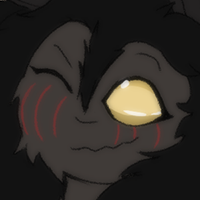
Seyren : Version #309
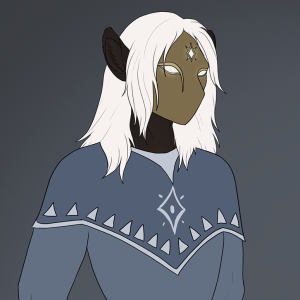
The seyren were an intelligent, humanoid species native to the Realms of Sky and the founders of its ancient civilization. Standing approximately seven feet tall, they had slender bodies covered in short, velvety fur, rounded ears, white hair, and long, tufted tails. Their unique biology combined conventional biological functions with a dependence on living light. The seyren developed advanced societies and diverse cultures before their civilization collapsed approximately five hundred years ago, leaving behind the ruins scattered throughout the Realms.
Basic Information Hide
The seyren were an intelligent, biological species native to the Realms of Sky. They were tall, slender humanoids with short fur, long tails, rounded ears, and a core of living light within their bodies. Although they shared certain characteristics with humans and terrestrial animals, seyren had evolved in an entirely separate reality and had several unique anatomical and reproductive adaptations.
Adult seyren generally stood around seven feet tall, although individual height and build varied. They were fully biological creatures that required food, water, rest, and other necessities of physical life. Their connection to living light provided an additional source of nourishment but did not replace their need for conventional food.
The seyren established a widespread civilization throughout the Realms, constructing cities, developing complex technologies, and creating distinctive cultures. Their civilization collapsed approximately five hundred years before the modern era, resulting in the extinction of the species.
Lore and History Hide
Ancient Civilization
The seyren were the original inhabitants of the Realms of Sky, where they developed a technologically and culturally advanced civilization. They constructed settlements, cities, temples, industrial facilities, and extensive transportation systems. Their society included agriculture, livestock keeping, trade, food production, and a variety of skilled occupations.
Seyren civilization was not a single unchanging culture. Different regions developed their own traditions and ways of life according to their environments. Coastal settlements, for example, made use of fishing and other marine resources, while other communities relied more heavily on agriculture and livestock.
The seyren were capable of creating sophisticated architecture and machinery, but they were not naturally capable of flight. Their civilization therefore relied on walking, constructed pathways, boats, and other forms of transportation to move through the Realms.
The Collapse
Long before the final collapse, the seyren began to suffer from a growing imbalance in their world. The spread of darkness contaminated the environment, damaged ecosystems, displaced wildlife, and made agriculture increasingly difficult. Food, usable land, and access to light became progressively scarcer.
During this period, a starborn named Aleph was discovered and raised among the seyren. Aleph eventually became King Resh, a ruler who believed it was his responsibility to save the civilization that had taken him in. He was raised as the prophesied savoir, the child of the Megabird. He was raised as some sort of divine savior.
Although Resh attempted to preserve his people, his increasingly desperate efforts worsened the existing crisis. Conflict and environmental destruction continued until the surviving seyren were concentrated in the Last City, near the foot of Eden.
Resh's final attempts to harness and concentrate light ended in catastrophe. Darkness overcame him, the Elders were forced to intervene, and the remaining civilization collapsed. The last surviving seyren died soon afterward.
Their abandoned structures, artifacts, and lingering spiritual remains became much of what later generations of starborn encountered throughout the Realms.
Social Habits and Temperament Show
Society and Family Life
Seyren were highly social beings capable of forming close relationships, families, friendships, and larger communities. Their civilization included family households, workplaces, social institutions, and organized settlements.
Their behavior and personalities varied between individuals. Seyren could be affectionate, reserved, playful, irritable, ambitious, compassionate, or have other traits familiar in intelligent social species. They were not universally gentle or agreeable, and their civilization experienced many of the same interpersonal and social difficulties found in human societies.
Cooperative Childcare
One particularly important characteristic of seyren society was cooperative childcare.
Raising young was not necessarily the responsibility of the birth parent alone. The baby's other parent, relatives, and trusted household members could participate directly in care, including feeding the infant.
This practice was supported by seyren physiology. Adults who spent extended periods around a pregnant individual could gradually develop an active infant-feeding response, allowing them to produce nourishment for the newborn even if they had not been pregnant themselves.
The response was usually strongest in the pregnant parent, followed by the other parent and, in some households, additional caregivers.
As a result, infant feeding could be shared among several familiar adults. This allowed the birth parent opportunities to rest and helped ensure that the newborn could receive nourishment from more than one caregiver.
Grooming and Hygiene
Seyren had ordinary methods of personal hygiene, including washing with water and cloths. In more developed societies, parents cleaned their newborns using these methods rather than routinely grooming them with their tongues.
However, seyren retained an ancestral instinct to groom their offspring orally. Their distant ancestors used their tongues to spread and remove substances from the newborn's coat, including small amounts of their own feeding secretion.
By the later stages of seyren civilization, this behavior was no longer necessary and had largely disappeared from everyday childcare. Nevertheless, the instinct could occasionally emerge in exhausted or inexperienced new parents, particularly immediately after giving birth.
Cultural Attitudes Toward the Body
Seyren bodily customs differed from those of humans. Their reproductive and infant-feeding anatomy did not necessarily carry the same social or sexual associations found in human cultures.
Feeding a newborn was considered an ordinary part of childcare rather than something that needed to be hidden from others. Bodily processes associated with parenting were understood as normal biological functions.
Seyren clothing varied according to practical needs, occupation, personal taste, and cultural traditions. Clothing was not necessarily designed around the same standards of modesty as human garments.
Anatomy and Physiology Show
General Appearance
Adult seyren were tall, slender humanoids with long limbs, a relatively narrow torso, and a long, flexible tail ending in a tuft of white fur. Their proportions were generally graceful, although individuals varied in muscular development, body fat, height, and overall build.
Their bodies were covered in a very short, smooth coat of fur. Common coat colors included shades of brown and black, while lighter coloring, including cream, was less common. Individuals with black coats were seen as quite attractive.
Healthy adult fur had a subtle satin-like sheen, sometimes called a bloom. This was especially noticeable in favorable lighting and could become more pronounced during their reproductive cycles. The coat was not oily or wet-looking; its appearance was closer to exceptionally fine velvet with a natural luster.
Seyren had white hair on their heads and distinctive white eyelashes.
Their ears were rounded and somewhat deer-like, capable of expressing emotion through their position and movement. Their long tails also contributed to balance and body language.
Face and Mouth
The seyren face was distinctly nonhuman, with a small, subtly projecting muzzle, a nose pad, and dark, differently shaped lips.
The nose pad was typically lighter than the surrounding facial fur, often showing a fleshy brown or pinkish-brown tone. Its precise coloration varied between individuals.
Seyren had specialized teeth suited to their varied diet. Their dentition included prominent paired canines, cutting teeth, and molars capable of processing tougher foods.
Their tongue was long, pointed, and grooved. It served several purposes, including manipulating food, extracting soft edible material, and feeding newborns.
The tongue's structure was especially important in seyren infant care, as it allowed adults to direct a thick nutritional secretion into the mouth of a newborn.
Hands and Feet
Each seyren hand had three slender fingers and an opposable thumb. The fingertips had small claws.
Their feet had three toes, also ending in small claw-like structures. Seyren did not possess hooves or conventional mammalian paw pads.
The palms and soles consisted of continuous areas of exposed, leathery skin rather than fur-covered surfaces divided into individual pads. The soles were thicker than the palms.
These exposed areas were commonly lighter than the surrounding fur and could resemble the fleshy pigmentation of the nose pad.
Diet and Digestion
Seyren consumed both living light and biological food. Light was an important component of their physiology, but ordinary food remained essential.
Their diet was varied, with a strong emphasis on plant materials, supplemented by animal products and meat where available.
Their teeth and tongue were particularly useful for consuming tough-skinned fruits. A seyren could puncture the outer covering with their teeth and use the tongue to extract the softer interior. They could also strip nutrients from fibrous plant stalks, discarding material that was no longer useful.
Seyren cuisine included prepared foods, alcoholic beverages, and cheese made from the milk-like secretions of domesticated animals. Cheese was a familiar and widely enjoyed food.
Seyren digestion was somewhat slower than human digestion, with efficient water recovery from food waste. Their feces tended to be relatively firm and dry, and bowel movements could occur less frequently than in humans.
Oral Feeding Glands
One of the most unusual features of seyren anatomy was a specialized system for producing nourishment for their young.
Seyren had glands in the roof of the mouth, toward the middle of the oral cavity near the base of the tongue. These glands produced a rich, pale, creamy secretion that served as the primary biological food for newborns.
The secretion was not ordinary saliva, regurgitated food, or mammalian milk. It was a separate nutritional fluid produced by specialized tissues.
Pressing the base of the tongue against the soft palate stimulated the release of the fluid. The tongue then directed it forward, allowing the adult to transfer controlled portions into the newborn's mouth.
The placement and release mechanism helped prevent the secretion from continually flowing toward the throat or interfering with breathing and swallowing.
Under ordinary conditions, seyren had considerable control over secretion release. During the first days after childbirth, however, production could temporarily exceed their ability to regulate it, especially in new parents.
Reproduction and Life Cycle Show
Reproductive Biology
Seyren reproductive anatomy differed substantially from that of humans.
Every seyren had both sets of reproductive organs necessary for producing offspring. Individual physical development, hormonal characteristics, and gender expression could vary, but reproductive capability was not divided into the same fixed male and female categories found in humans.
Conception involved the biological joining of reproductive cells as well as the blending of living light from the parents.
Reproductive cycles would happen periodically throughout the year, marked by their natural shine becoming more noticeable. This strong shine was seen as highly attractive. Many seyren used products in their fur to accentuate this shine.
Pregnancy
Seyren pregnancy lasted approximately six months and usually resulted in a single offspring.
The earliest stages could resemble human pregnancy, with symptoms such as nausea, vomiting, fatigue, changes in appetite, and heightened emotional sensitivity. These symptoms could begin several weeks after conception.
As morning sickness subsided, the pregnant seyren began developing a noticeably different coat. The usual satin sheen gradually faded as fine, soft down grew through the short adult fur.
The coat became progressively fuller and fluffier, producing an appearance unlike their usual sleek coat.
This temporary down served an important purpose later in pregnancy.
Nesting
Toward the end of gestation, the pregnancy down began to loosen and shed. The expectant parent collected it and used it to help construct a soft, insulated nest for the newborn.
Other materials, including fabric and soft plant fibers, could be incorporated into the nest.
The down provided warmth, cushioning, and a familiar scent. The nest was prepared before birth and was intended to remain clean and comfortable during the newborn's earliest days.
Labor and Birth
Seyren labor progressed through recognizable stages of increasing contractions, restlessness, and eventual pushing.
As contractions strengthened, the parent generally remained close to the prepared nest, changing posture to accommodate discomfort and the progression of labor.
To keep their nest clean, seyren normally delivered beside the nest rather than directly inside it. This prevented amniotic fluid, blood, and other material from soaking the carefully prepared bedding.
Birth usually involved several pushes after their water broke before the newborn was delivered.
A newborn seyren was connected to the parent through an umbilical-cord-like structure, which served a role in supporting development during pregnancy.
Once the delivery was complete, the infant would be cleaned, dried, fed, and moved into the prepared nest.
Newborn Appearance
A newborn seyren measured approximately twelve inches from head to toe.
Newborns had relatively large heads, small limbs, a subtle muzzle, rounded ears, and a slender tail ending in a small white tuft.
Their bodies were covered in exceptionally soft, dense down, similar in texture to the fine fluff of a newly hatched chick. The down extended across much of the body, including areas that would eventually develop the different textures of the adult coat.
Common newborn coloring included dark reddish-brown down, sometimes slightly lighter along the belly and limbs.
Their eyes remained closed for approximately the first three weeks of life.
Newborns were toothless, and their small tongues already had the specialized shape associated with the species. Their hands and feet had the same basic digit arrangement as adults, although the claws were initially small and blunt.
They were highly dependent on caregivers and developed considerably more slowly than newborn starborn.
Feeding the Young
Seyren newborns received most of their biological nourishment through the oral feeding secretion produced by adult seyren.
The adult released a small amount into their mouth by pressing the tongue against the soft palate. The grooved tongue then helped transfer the fluid directly into the infant's mouth, where the newborn swallowed it.
The secretion was exceptionally rich and creamy, with a mild natural sweetness.
Its nutritional composition allowed it to be digested in two stages. Some components were broken down and absorbed relatively quickly, providing immediate nourishment, while others were processed more gradually, supplying energy over an extended period.
Because of this, even very young infants could remain satisfied for several hours after feeding.
The fluid also contained antimicrobial substances that helped limit bacterial growth in the mouth.
Although young seyren could receive nourishment from living light, the oral secretion supplied the majority of their biological nutritional needs during early infancy.
Feeding Response in Adults
Pregnancy prepared the expectant parent's oral glands for feeding, but other seyren could also develop an active feeding response.
Prolonged close contact with a pregnant seyren could gradually stimulate the glands of other household members. The other parent was commonly affected, while relatives and other caregivers could develop a weaker or more variable response.
The pregnant parent generally had the strongest response and ordinarily provided the newborn's first feeding.
During the first two days after birth, the glands could produce far more secretion than the newborn required.
This temporary overproduction could cause frequent leakage from the mouth, particularly during conversation or ordinary tongue movements. An unexpected release could occasionally cause the parent to cough.
The thick fluid tended to collect around the chin, neck, and chest, soaking the fine adult fur and requiring frequent cleaning.
These effects were temporary. As production adjusted to the baby's feeding needs, the leakage and coughing largely disappeared, and deliberate release became easier to regulate.
Throughout the feeding period, many seyren complained that ordinary food became less enjoyable because the taste of their own secretion frequently lingered in their mouths.
The return of normal taste after weaning was therefore a welcome part of the process.
Ancestral Grooming Behavior
Seyren retained an old instinct to clean newborns using their tongues.
In their distant evolutionary past, adults groomed their young after feeding, spreading small quantities of the feeding secretion through the newborn's down before removing the excess.
The secretion had some beneficial effects on the coat, such as conditioning the fine fur and helping maintain the skin beneath it. However, these benefits were not necessary for healthy coat development.
As seyren society developed more effective hygiene practices, the behavior gradually became obsolete. Later seyren cleaned their young using water and cloths instead.
The underlying instinct nevertheless survived.
New parents, especially when exhausted after childbirth, could occasionally lower their heads and begin grooming a newborn without consciously deciding to do so.
Because grooming involved movements of the tongue, it could unintentionally stimulate the feeding glands. During the initial period of overproduction, this could result in an unexpected release of secretion onto the infant.
This was a familiar and generally harmless first-time-parent mishap, provided the newborn's breathing remained unobstructed.
The excess secretion could be removed with a damp washcloth, followed by a soft dry towel. Once dry, the newborn's down returned to its characteristic fluffy texture.
Childhood and Adolescence
Seyren children retained their thick, fluffy juvenile coats throughout childhood and most of puberty.
The transition to an adult coat occurred toward the end of puberty, around the period of rapid growth and voice changes.
During this stage, juvenile down began shedding unevenly while the short, sleek adult fur grew in beneath it.
Adolescent seyren could appear extremely scruffy, with patches of soft childhood down alternating with areas of newly developed adult fur.
Their bodies also changed rapidly in proportion. Lengthening limbs, changes in tail balance, and growth spurts could temporarily affect coordination, while the voice might crack unpredictably as it deepened.
This combination of patchy fur, awkward movement, and changing voices could be embarrassing for adolescents attempting to appear mature.
Adult seyren, particularly parents, often found the stage endearing.
Many parents collected the down their children shed during this final transition, keeping it as a sentimental reminder of their early years. Some preserved small tufts, while others retained larger quantities.
Once the transition was complete, the seyren had the short, smooth, satin-finished coat characteristic of adulthood.
Mutations and Variations Hide
Coat Color
Seyren had natural variation in coat color.
Brown and black coats were common, with differences in shade, depth, and coloration between individuals. Much lighter coats, including cream, were rare but occurred naturally.
The white head hair, white eyelashes, and white tail tuft remained distinctive features of their appearance.
Body Structure
Although adult seyren shared a recognizable general body plan, height and build varied.
Some individuals were more heavily muscled, while others were particularly slender. Fat distribution, limb proportions, facial features, and overall physical development also differed.
Skin Pigmentation
The nose pad, palms, and soles generally had lighter, fleshy pigmentation than the surrounding fur.
The precise tone varied by individual, ranging through different shades of brown and pinkish-brown.
Reproductive and Hormonal Variation
Seyren could differ in their hormonal characteristics, reproductive development, and physical expression of sex-related traits.
Differences could also occur in the strength of the oral feeding response. Some adults exposed to an expectant parent could produce a substantial amount of secretion, while others developed only a limited response.
The amount produced during the initial days after childbirth could likewise vary.
Unconfirmed Mutations
Specific inherited disorders, rare mutations, and unusual developmental conditions have not been established in the surviving species information. These remained separate from ordinary variation in appearance and physiology.
Other Information Show
Historical Medical Uses of Feeding Secretion
The nutritional secretion produced by seyren oral glands had uses beyond feeding infants.
In seyren society, it could sometimes be given to individuals who were seriously ill, weakened, malnourished, or recovering from starvation.
Severely starving seyren could struggle to tolerate ordinary meals, particularly heavier or more fibrous foods. Eating too much too quickly could cause nausea or vomiting.
Small quantities of the feeding secretion were often easier to tolerate. Its quickly absorbed components provided immediate nourishment, while the slower-digesting portion continued supplying energy.
This made it useful as a temporary nutritional aid while a weakened patient recovered enough to resume ordinary eating.
The secretion was not a complete replacement for a normal adult seyren diet, nor was it a cure for the underlying illness. It was simply a valuable way to provide nourishment when conventional food was difficult to consume.
Its use depended on having a caregiver whose feeding glands were active.
Nutritional Properties
The feeding secretion had an unusually high nutritional density compared with many familiar dairy products.
It was thick, rich, naturally sweet, and capable of sustaining a developing seyren infant for several hours after feeding.
Its two-stage digestion provided both relatively rapid nourishment and a more gradual supply of energy.
The secretion could also be digested by humans. In substantial quantities, it could produce prolonged satiety and a sustained feeling of energy.
When chilled, its consistency resembled an exceptionally rich yogurt without the usual sour taste. It also mixed well with coffee, where its creamy texture and mild sweetness could soften bitterness.
Despite these properties, the secretion had evolved to meet the needs of seyren infants. Its suitability as a complete, long-term food for humans or adult seyren was not established.
Scientific Significance
The seyren feeding system represented an unusual example of reproductive biology.
Its combination of specialized oral glands, controlled secretion through tongue pressure, direct transfer of nourishment, antimicrobial activity, and prolonged nutrient release differed considerably from the lactation systems of terrestrial mammals.
The ability of nonpregnant caregivers to develop feeding capability through prolonged exposure to an expectant parent was also significant. It demonstrated a close relationship between seyren reproductive physiology and cooperative childcare.
The secretion's nutritional properties could potentially offer useful insights into nutrient absorption, prolonged energy release, and the development of easily tolerated foods for individuals recovering from illness or malnutrition.
Relationship to Starborn
Seyren and starborn shared certain visual characteristics, including rounded ears, slender tails, and some similarities in their general body proportions.
Their underlying biology, however, differed fundamentally.
Seyren were biological organisms with ordinary physical needs, functioning digestive and reproductive systems, and a connection to living light.
Starborn were celestial beings whose bodies were formed around living light and did not follow the same biological processes.
The resemblance between the two species was nevertheless significant, particularly in the appearance of newborns within the reproductive alternate continuity.
Despite these similarities, seyren and starborn remained separate species and could not produce hybrid offspring.
Extinction
Seyren civilization collapsed approximately five hundred years ago, resulting in the extinction of the species.
Although the seyren no longer existed, evidence of their former civilization survived throughout the Realms. Their abandoned cities, architecture, artifacts, and cultural remnants offered insight into their history and way of life.